- icy@wzhgroup.com
- +86 15081877521


In Australia,the price of a prefab home typically ranges from AUD 100,000 to AUD 500,000,depending on the design,materials,and features.
In contrast,importing a prefab home of the same specifications from China usually costs between AUD 22,500 and AUD 150,000,significantly reducing construction costs while ensuring high quality and customizable designs.
Next,we will provide a detailed introduction to the prices of prefabricated houses of different specifications,as well as the factors that affect their prices.We will also list the import prices of prefabricated houses of the same specifications from China,giving you a more comprehensive understanding of the pricing.
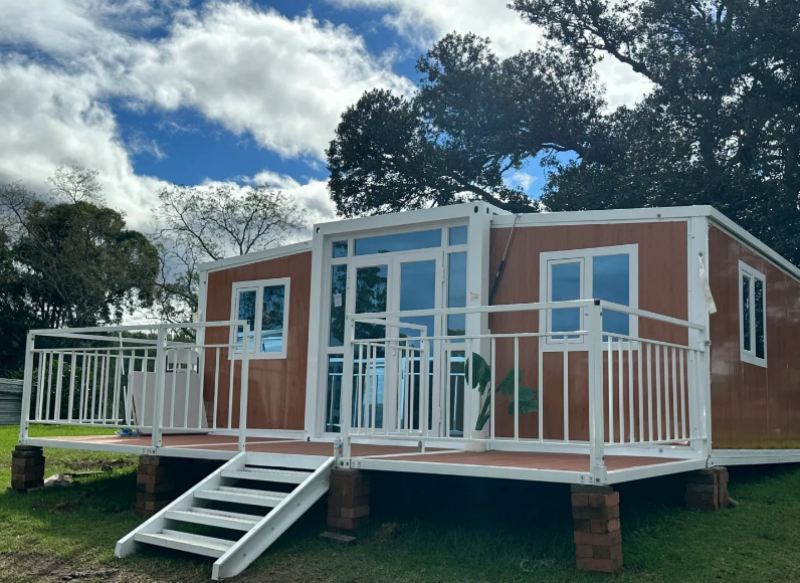
In Australia,prefabricated houses have become the mainstream housing choice.This is because labor costs are high in Australia,making traditional house construction expensive.Prefabricated houses avoid these construction labor costs;once you receive the goods,you can move in immediately,which is not only quick and convenient but also saves money.
To understand the price of prefabricated houses in Australia,you first need to understand their types,as different types have different functions and uses.
Light steel frame houses:Use steel as a frame,durable,high fire resistance,suitable for residential and holiday homes.
Modular concrete houses:Weather-resistant,long-lasting,suitable for long-term living.
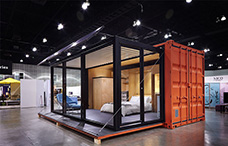
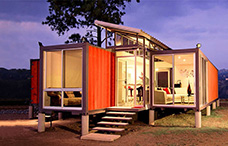
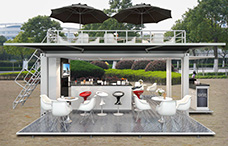
Container houses:Unique appearance,flexible transportation,suitable for small homes or mobile offices.
House Type | Size | Price (AUD) |
Small House | 50–80 sq m | 100,000–150,000 |
Medium House | 100–150 sq m | 150,000–300,000 |
Large/High-end House | 150–250 sq m | 300,000–500,000+ |
These prices typically include design,construction,and basic installation,but do not include land costs and some additional amenities.
Even a medium-sized prefabricated house often requires a budget close to AUD 200,000–250,000,which can be a significant financial burden for families or investors with limited budgets.
The price of prefabricated homes is influenced by multiple factors.Homes of the same size can vary significantly in total cost.
Timber:Approx.AUD 1,500–2,500 per square meter
Light Steel:Approx.AUD 2,000–3,500 per square meter
Modular Concrete:Approx.AUD 2,500–4,500 per square meter
Steel and concrete houses are more durable,fire-resistant,and wind-resistant,but typically cost 30%–80%more than timber structures.
Standardized designs usually cost 20%–40%less than fully customized builds.
Example:
Standard 100 sq m modular home:Approx.AUD 150,000
Fully customized version(personalized interiors,open-plan kitchen,special windows):Approx.AUD 200,000–250,000
Customization significantly increases design,engineering,and production costs.
Transportation costs depend on module size and distance:
Intra-state transportation(50–100 km):Approx.AUD 3,000–5,000
Inter-state transportation(500+km):Approx.AUD 10,000–20,000
Installation and foundation work:Approx.AUD 10,000–30,000
For large modular or double-story homes,transportation and installation can account for 10%–15%of total costs.
Labor costs in Australia are relatively high:
Carpentry/steelwork:Approx.AUD 50–80/hour
Electrical/plumbing:Approx.AUD 60–90/hour
Building permits,engineering approvals,inspections,and certifications typically cost between AUD 5,000 and 15,000,depending on state regulations and land conditions.
Energy efficiency upgrades increase upfront investment but reduce long-term costs.
Solar photovoltaic system(5 kW):Approx.AUD 5,000–8,000
Rainwater harvesting system:Approx.AUD 2,000–5,000
High-efficiency insulation,double glazing,HVAC upgrades:Increase costs by AUD 10,000–30,000
Long-term energy expenses may be reduced by 20%–40%.
Overall,construction costs in Australia are mainly influenced by materials,labor,transport,and regulatory requirements.Combined,these factors can create price differences of hundreds of thousands of dollars—even for houses of the same size.
This is why many buyers consider importing prefabricated homes from China.
China’s prefabricated housing manufacturing industry has rapidly advanced in recent years.Exported products include light steel structures,modular homes,and high-end villa solutions that comply with international standards,including Australian building codes.
House Type | Area | Price (USD) |
Small House | 50–80 sq m | 15,000–30,000 |
Medium House | 100–150 sq m | 30,000–60,000 |
Large House | 200+ sq m | 60,000–100,000 |
Compared to local Australian pricing,importing can reduce costs by approximately 40%–60%for similar specifications.
1.Lower Price
Significantly reduced labor and manufacturing costs while maintaining high material standards.
2.High Customization
Flexible floor plans,interior layouts,and functional configurations tailored to customer needs.
3.Shorter Construction Cycle
Factory-prefabricated modules reduce on-site construction time by 30%–50%.
4.Quality Assurance
Many products comply with Australian or international certifications.
For cost-sensitive buyers or those seeking faster project completion,importing is a practical option.
Choosing a prefabricated house involves more than just price;it's crucial to consider your specific circumstances and lifestyle.The following aspects can help you make a more informed decision:
First,clarify your available budget.If you have a limited budget and want a home or vacation home at a lower cost,importing small to medium-sized modular houses from China is an economical and feasible option;it can reduce costs by more than half while maintaining quality.
If you desire a highly customized design,long lifespan,and high-quality after-sales service,then locally sourced high-end prefabricated houses may be more suitable,although more expensive,offering greater convenience and more reliable local support.
The size and shape of your land directly impact your house selection.Larger modular houses require more spacious plots and easy access roads,while smaller houses or container houses offer more flexibility and can even be placed on small or remote plots.Before considering a purchase,measure the land dimensions and understand the ground levelness and road access conditions,which will directly determine which house type is feasible.
Holiday Home or Weekend Getaway:For short-term stays and minimal facility needs,small modular or container homes are easy and cost-effective.
Long-Term Residence:If planning for long-term living or family stays,a separate kitchen,bathroom,storage space,and overall comfort are required.Local large prefabricated homes or high-end modular residences are more suitable in this case.
Investment for Rental:A balance between attractiveness and durability,while minimizing maintenance costs,is needed.Small modular homes or flexible modular solutions are generally more suitable.
Consider your lifestyle:Do you want to cook,bathe,and store things in the home?Do you need extra space for children or pets?If you prefer self-sufficiency and desire comprehensive comfort,larger modular homes or local high-end custom-built homes are more suitable;if it's just for short-term stays or occasional vacations,simple modular or container homes can meet basic needs.
In addition to purchase costs,consider water,electricity,energy consumption,cleaning,and maintenance costs.Modular homes imported from China have lower initial investment costs,but require advance planning for plumbing and electrical connections.Locally built high-end homes may have higher maintenance costs,but generally offer better guarantees in terms of material durability,warranties,and after-sales service.
Summary Recommendations:
If you are on a short-term vacation,have a limited budget,or are trying prefabricated housing for the first time,purchasing a small to medium-sized modular home from China is an economical and quick option.
If you plan to live there long-term,have high demands for personalized design,or prefer local support,choosing a locally built high-end prefabricated home is a more reliable option.
Most importantly:make the choice that best suits your budget,land conditions,intended use,and lifestyle,rather than blindly pursuing a"big"and"complete"house.
If you prioritize local support,personalized design,and long-term stability,building locally in Australia may be the better choice—but it requires a higher budget and longer construction period.
If your goal is cost-effectiveness,faster delivery,and flexible customization,importing prefabricated homes from China offers significant financial and timeline advantages.
If you are considering a prefabricated home solution,you can contact WZHhouse for professional customization and quotations.Our team provides land-based measurements,tailored design recommendations,and end-to-end service—from production and transportation to final assembly—ensuring a smooth and efficient building process.
Prefabricated homes are not just structures;they are practical tools for achieving a comfortable and flexible lifestyle.By choosing the right solution,you can control costs while enjoying high-quality modern living.
1.Is a capsule house allowed in Australia?
Capsule houses are generally allowed,but approval depends on local council zoning and compliance with the National Construction Code(NCC).Most councils treat them as temporary or small dwellings,so a building permit is required.
2.Are container homes legal in Australia?
Yes,container homes are legal if they meet council planning rules and NCC standards for structural safety,insulation,fire safety,and energy efficiency.Proper permits must be obtained before installation.
3.How much does a shipping container home cost in Australia?
Costs vary by size and customization:
Small homes(1–2 containers):AUD 50,000–100,000
Medium homes(3–4 containers):AUD 120,000–250,000
Large or highly customized homes:AUD 300,000+
Additional costs include land prep,permits,transport,insulation,and utilities.
4.How long do container homes last in Australia?
With proper engineering and maintenance,container homes can last 20–30 years or more.Lifespan depends on corrosion protection,structural reinforcement,and waterproofing.
5.What is the cheapest type of house to build in Australia?
The most affordable options are:
Prefab/modular homes:AUD 1,500–2,500 per m²
Container homes:AUD 50,000–150,000 for small/medium units
Tiny homes/micro homes:AUD 30,000–80,000
Simpler designs,smaller footprints,and standard materials help minimize cost.



Copyright © Hebei Weizhengheng Modular House Technology Co., Ltd. All Rights Reserved
Sitemap

 +8615081877521
 +8615081877521