- icy@wzhgroup.com
- +86 15081877521


A hurricane-resistant container house typically costs $12,000–$28,000 for a 20ft model, $16,000–$36,000 for a 30ft model, and $20,000–$45,000 for a 40ft model. The actual factory price depends on the design wind speed, structural reinforcement, material specifications, and overall configuration.
Compared with standard expandable container houses, hurricane-resistant models require stronger steel structures, reinforced roof connections, and secure anchoring systems, which increase manufacturing costs. Your total project budget should also include shipping, import duties, foundation construction, and installation.
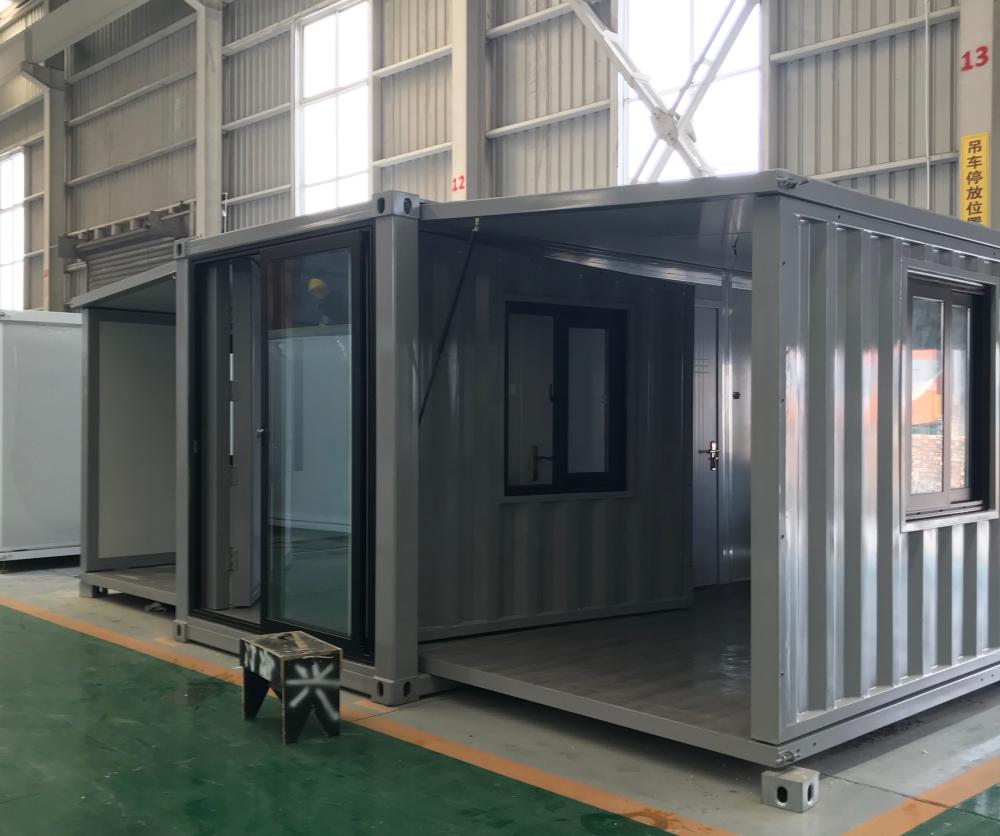
There is no fixed market price for hurricane-resistant container houses. Even products of the same size can have significantly different prices depending on their design wind speed, structural materials, and interior configurations.
If your project is located in a hurricane-prone area, you can use the following estimates to prepare an initial purchasing budget based on the house size and structural specifications.
The following prices are illustrative budget estimates prepared for this article. They are based on different sizes and configurations and are not verified market transaction prices.
| Container House Size | Basic Configuration | High-Specification Configuration |
|---|---|---|
| 20ft | $12,000–$18,000 | $18,000–$28,000 |
| 30ft | $16,000–$24,000 | $24,000–$36,000 |
| 40ft | $20,000–$30,000 | $30,000–$45,000 |
Basic configurations are designed to meet essential project requirements and include structural reinforcements according to the specified design requirements. High-specification configurations may include higher-grade steel structures, reinforced roof systems, upgraded door and window fixing systems, and customized anchoring connections.
If you plan to purchase a 40ft hurricane-resistant container house, you should not determine your budget based on size alone. You also need to define the required design wind speed and structural specifications. Houses of the same size may require different material quantities and manufacturing costs depending on their design requirements.
Hurricane-resistant container houses generally cost more than standard expandable container houses because the two products use different structural configurations and connection systems.
Standard expandable container houses are primarily designed to meet conventional usage and transportation requirements. Hurricane-resistant versions require additional design considerations for the main structure, roof, doors, windows, and anchoring systems based on the wind load requirements of the project location.
To better understand the price difference, consider the following illustrative budget comparison for two 40ft products:
| Comparison | Standard Expandable House | Hurricane-Resistant House |
|---|---|---|
| Main Steel Frame | $3,000 | $4,500 |
| Roof System | $1,000 | $1,800 |
| Wall System | $2,000 | $2,500 |
| Doors and Windows | $1,000 | $1,500 |
| Structural Connections | $500 | $1,200 |
| Other Configurations | $4,500 | $5,500 |
| Total | $12,000 | $17,000 |
Based on this example, the 40ft hurricane-resistant container house costs approximately $5,000 more than the standard expandable container house, representing an increase of about 41.7%.
Please note that this is a hypothetical configuration example used to illustrate potential cost differences, not an actual supplier quotation. Prices vary among manufacturers depending on material specifications, production processes, and structural designs.
If your project requires multiple units, ask the manufacturer to provide detailed bills of materials and configuration-based quotations for both products. Comparing houses of the same size and with similar interior specifications will help you assess whether the additional cost is reasonable.
Understanding what is included in the factory quotation can help you avoid unexpected expenses during the purchasing process. A factory quotation may cover the following components, but you should always confirm the exact scope in the manufacturer's quotation and contract.
The main steel structure is the primary load-bearing system of the house. It includes steel columns, beams, the bottom frame, and related connecting components. For hurricane-resistant configurations, steel specifications, component dimensions, and connection methods need to be determined according to the design requirements.
The roof and wall systems generally include their supporting frames, roofing materials, wall panels, insulation materials, and fixing accessories. Different projects may require different combinations of materials.
Door and window configurations may include frames, glass, sealing materials, and fixing accessories. If the project requires higher wind pressure resistance, the appropriate door and window systems should be selected according to the structural design.
If you purchase a fully equipped residential unit, the factory quotation may also include flooring, ceilings, interior partitions, electrical systems, lighting, and plumbing and drainage configurations.
Important: Foundation construction, on-site anchoring, international shipping, and local installation services may not be included in the factory price. Ask the manufacturer to identify all included and optional items when requesting a quotation.
The higher price of a hurricane-resistant container house is not simply due to increased steel consumption. It also involves changes in the costs of multiple structural components and manufacturing processes.
Hurricane-resistant designs may require thicker steel, modified structural sections, or reinforced critical connection points. Increased steel consumption raises raw material costs while also adding cutting, welding, and fabrication expenses.
The roof and walls need to use suitable materials and fixing methods based on the design wind loads. Reinforcing the roof frame, connectors, and wall panel fixing systems increases both material and manufacturing costs.
Doors and windows are important components of the building envelope. Depending on the project requirements, the house may need reinforced door and window frames, specified glass configurations, and more reliable fixing and sealing systems. These components generally cost more than standard doors and windows.
Connections between the roof and main frame, fixings between the walls and steel structure, and anchoring between the house and foundation all need to be designed according to the engineering requirements.
These additional configurations increase material, fabrication, and assembly costs. They are also important reasons for the price difference between hurricane-resistant and standard expandable container houses.
The design wind speed at the project location is an important factor affecting structural costs.
For example, projects in coastal areas of the United States may need to consider the basic wind speed specified by local building codes, building exposure category, building height, and terrain conditions. These factors affect wind load calculations and, in turn, the design of the steel structure and connection systems.
Higher design requirements do not mean that all materials must increase by a fixed percentage. The manufacturer needs to determine an appropriate structural solution based on engineering calculations.
Larger houses generally require more steel, wall panels, roofing materials, and interior finishing materials. Single-module expandable houses and buildings assembled from multiple modules may also have different structural connection, transportation, and on-site assembly costs.
If your project requires multiple bedrooms, separate bathrooms, or an open-plan living area, interior partitions and electrical and plumbing configurations will also affect the quotation.
Steel grade and thickness, wall panel core materials, roofing materials, glass specifications, and connection accessories all affect the product price. When comparing supplier quotations, check the material specifications and technical documents rather than relying solely on product names to determine whether the configurations are equivalent.
Kitchens, bathrooms, air conditioning, electrical systems, and interior finishes may all increase purchasing costs.
If your project is mainly intended for temporary accommodation, you can choose a relatively simple interior configuration. If the house will be used for long-term living or as a vacation accommodation facility, you may need to add a kitchen, bathroom facilities, insulation, and other residential features. Defining your functional requirements in advance can help reduce additional costs caused by later modifications.
The factory quotation does not represent the total project investment. For overseas purchasing projects, you also need to consider shipping, importation, foundation construction, and on-site installation costs.
International shipping costs depend on the product dimensions, packaging method, shipping route, loading quantity, and destination port. The folded condition, transportation dimensions, and loading arrangement of expandable container houses can also affect logistics costs.
Import duties and customs clearance costs depend on the actual product classification, country of origin, destination country policies, and import conditions. For projects in the United States, you also need to verify the applicable HTS classification and related import duties. A single fixed tax rate should not be used to estimate the import costs of all container houses.
Before installation, the house may require foundation construction, ground leveling, and anchoring work. The foundation type generally depends on local soil conditions, house weight, structural design, and engineering requirements.
If the product requires on-site assembly, you also need to consider labor, lifting equipment, and construction expenses. The project may also require local engineers to conduct structural reviews, examine design documents, or provide other compliance-related services.
List these expenses separately in your budget before purchasing rather than simply adding a fixed percentage to the factory quotation.
To obtain an accurate quotation, provide the manufacturer with basic project information in advance. The following information helps the manufacturer determine the correct product configuration and manufacturing costs:
| Information Required | Details |
|---|---|
| House Size | 20ft, 30ft, 40ft, or customized |
| Project Location | Country, state, and project site |
| Design Wind Speed | Required wind speed and applicable code |
| Quantity | Number of units required |
| Floor Plan | Bedrooms, bathrooms, and living areas |
| Material Requirements | Steel, wall panels, roof, and windows |
| Interior Configuration | Electrical, plumbing, and decoration |
| Delivery Terms | FOB, CIF, or other agreed terms |
If your project is located in a hurricane-prone area, provide the project location and applicable design requirements during the quotation stage. The manufacturer can use this information to evaluate the structural configuration instead of applying a standard quotation for an ordinary expandable container house.
As a container house manufacturer, WZHHouse can provide different container house solutions based on project dimensions, interior layouts, and material configuration requirements. For hurricane-resistant projects, clarify the design wind speed, structural requirements, and delivery scope before confirming the final quotation.
Send WZHHouse your project location, house size, required quantity, floor plan, design wind speed, and destination port. Our team can recommend a suitable configuration and prepare a quotation based on your project requirements.
Is a Hurricane-Resistant Container House More Expensive Than a Standard Container House?
Yes. When the dimensions and interior configurations are similar, a hurricane-resistant container house generally costs more than a standard expandable container house because it may require reinforced steel structures, upgraded roofs, stronger doors and windows, and improved connection systems. The actual price difference depends on the design requirements and material specifications.
How Much More Does a Hurricane-Resistant Container House Cost?
There is no fixed additional cost that applies to every project. The extra expenses mainly come from structural reinforcement, material upgrades, and adjustments to the connection systems. You can ask the manufacturer to provide comparison quotations for standard and hurricane-resistant configurations to understand the additional budget required.
Does a 40ft Hurricane-Resistant Container House Cost More Than a 20ft Model?
Generally, yes. A 40ft house requires more steel, wall panels, roofing materials, and interior finishing materials, so its total price is usually higher than that of a 20ft model. However, the actual price also depends on the structural design, material specifications, and interior layout.
Does the Required Hurricane Wind Speed Affect the Price?
Yes. The design wind speed affects wind load calculations and the design of the main structure, doors, windows, and connection systems. Higher design requirements may call for higher-specification materials and structural configurations, increasing manufacturing costs.
Does the Factory Price Include Shipping and Installation?
Not necessarily. Factory quotations generally cover product manufacturing and the agreed product configurations. Whether international shipping, import duties, customs clearance, foundation construction, and on-site installation are included depends on the quotation method and contract terms.



Copyright © Hebei Weizhengheng Modular House Technology Co., Ltd. All Rights Reserved
Sitemap




 +8615081877521
 +8615081877521