- icy@wzhgroup.com
- +86 15081877521


The total cost of ordering a 20ft expandable container house from China can range from approximately US$10,000 to US$20,000 or more,depending on the house configuration,shipping destination,import duties,inland transportation,and installation requirements.This estimated budget covers more than the factory price of the house;it also accounts for the additional expenses involved in transporting the unit to your site and preparing it for use.
Costs can be higher in locations with expensive shipping,import taxes,strict building requirements,or extensive site work.This guide breaks down each major expense to help you understand where your money goes and plan your purchasing budget more accurately.
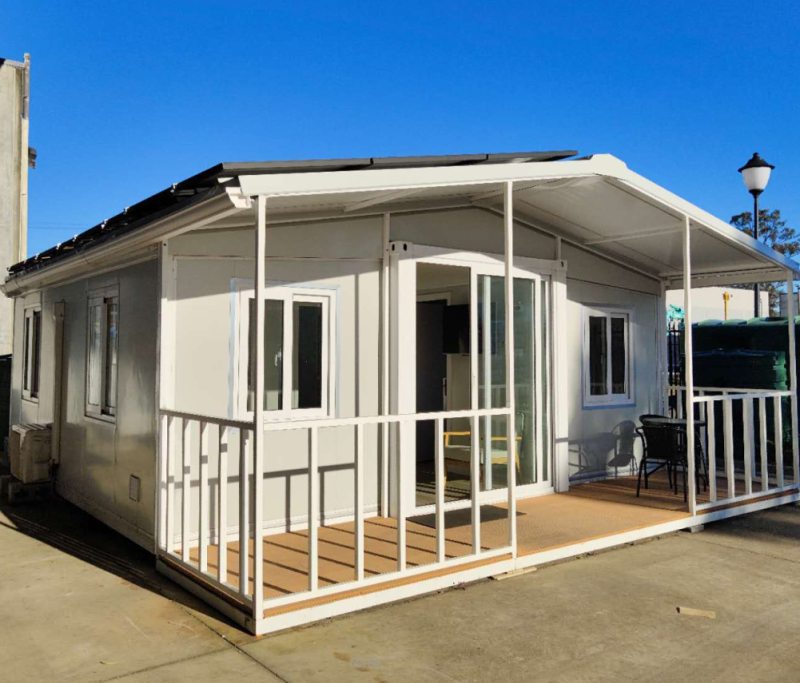
The factory price of a 20ft expandable container house depends on its structural design,material specifications,interior configuration,and customization requirements.Even when different suppliers use the same name for a product,the actual configurations can vary significantly.
A 20ft expandable container house typically costs between US$4,000 and US$8,000,depending on the structure,materials,insulation performance,and interior fit-out.A basic configuration will be relatively inexpensive,while a unit equipped with a full kitchen,bathroom,electrical system,and higher-standard interior finishes will command a higher price.
When comparing quotes,it is essential to verify the product specifications included in each price.Some quotes may cover only the basic structure,while others might include wall panels,doors and windows,flooring,electrical systems,or kitchen and bathroom facilities.Because the scope of the configuration varies,prices cannot always be compared directly.
If you are preparing a budget for your project,it is advisable to first request a quote for a"standard configuration"from the factory,and then decide whether to add equipment or upgrade materials based on your specific needs.This approach allows you to clearly distinguish between essential expenses and optional add-ons.
Cost Factor | Impact on Price |
|---|---|
Steel Structure and Expansion Mechanism | Steel specifications, structural design, and connection methods affect material and manufacturing costs. |
Wall Panels and Insulation System | Insulation materials, thickness, and wall construction affect both the price and the building's performance. |
Doors and Windows | The number of doors and windows, glass type, frame materials, and dimensions influence the overall cost. |
Interior Finishes | The choice of flooring, wall panels, ceiling materials, and decorative finishes affects the price. |
Kitchen and Bathroom | The inclusion of kitchen cabinets, sanitary fixtures, shower facilities, and related plumbing can result in price differences. |
Electrical and Plumbing Systems | Electrical standards, wiring, outlets, lighting, and plumbing configurations must be confirmed according to project requirements. |
Customization | Special layouts, additional equipment, exterior design changes, and local compliance requirements may increase costs. |
For example,an expandable unit intended for use as a temporary site office might only require basic lighting,electrical outlets,and a simple interior.Conversely,a unit intended for rental at a campsite might require a private bathroom,enhanced insulation,comfortable interior finishes,and more comprehensive utility(water/electricity)installations.Since these two use cases have different configuration requirements,their procurement budgets should also differ.
You should request that the supplier provide an itemized breakdown of all included products and equipment in their quote.The main structure,wall panels,doors and windows,flooring,electrical wiring,and bathroom fixtures should all be clearly specified—do not rely solely on product images.
You should also verify whether the quote covers packaging,loading at the factory,pre-shipment inspections,and relevant documentation.Suppliers may use different trade terms(Incoterms)—such as EXW,FOB,or CIF—which imply different cost scopes.You must clarify the scope of the quote before you can accurately compare prices from different factories.
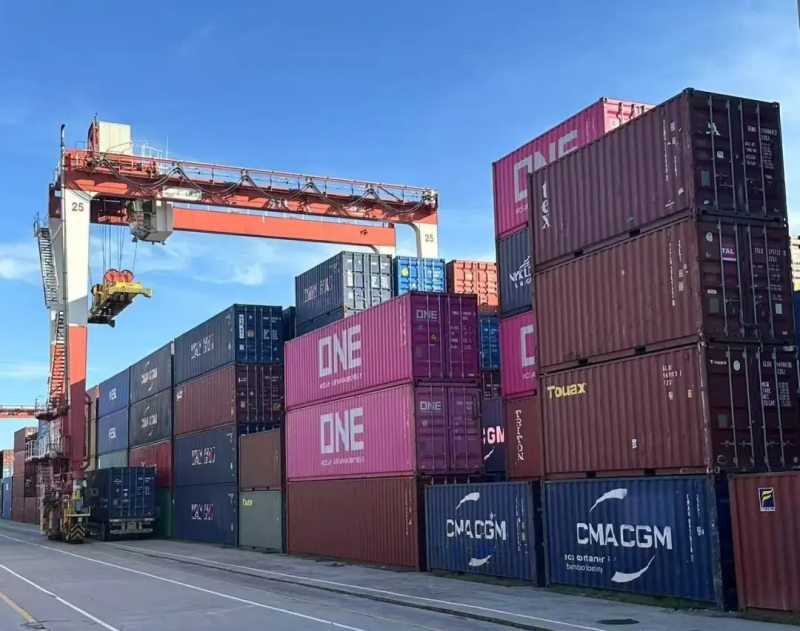
International shipping is a separate cost that must be accounted for when purchasing expandable container homes from China.Shipping rates depend primarily on the destination,the actual dimensions of the unit(when packed/collapsed),the loading method,the shipping route,transit time,and current conditions in the freight market.
Chinese container house factories typically arrange shipping based on the dimensions,weight,and loading configuration of the units once they have been collapsed/folded for transport.Although the term"20ft"appears in the product name,it does not necessarily mean that every unit can be transported in the same way as a standard 20-foot shipping container.
Expandable container homes must be collapsed or folded before transport.You should request the collapsed dimensions(length,width,and height),gross weight,and a loading plan from the factory,then have a freight forwarder calculate the ocean freight costs based on these specifics.
Costs may also vary depending on whether you are shipping a single unit or multiple units.If you are purchasing several units,a freight forwarder can assess whether they can be efficiently consolidated or packed together.Only after confirming the exact quantity and shipping conditions can you determine whether bulk shipping actually reduces the cost per unit.
Shipping Cost | Description |
|---|---|
Packaging and Loading | May include protective packaging, loading operations, and related handling charges, depending on the scope of the factory quotation. |
Inland Transportation in China | If the factory is not near the port of shipment, the house may need to be transported to the designated port. |
Port and Origin Charges | May include terminal handling, documentation, and other origin-related charges. |
International Sea Freight | The cost of shipping the house by sea from the port of departure in China to the destination port. |
Shipping Insurance | Calculated based on the cargo value, shipping route, and insurance coverage. |
Destination Port Charges | May include terminal handling, documentation fees, cargo collection, and other local charges. |
Inland Transportation | The cost of transporting the house from the destination port to the project site. |
It is important to note that the"ocean freight"quoted by a freight forwarder is usually not the total cost of transporting the units from the factory to the project site.Some quotes cover only the sea voyage from a Chinese port to the destination port,excluding destination port handling,customs clearance,and final delivery.
When requesting a quote,you should provide the collapsed dimensions,gross weight,quantity,port of departure,destination port,and the final delivery address.With this information,a freight forwarder can determine the most suitable shipping method and provide a more reliable and useful quote.If your project is located in a remote area,or if the access roads to the site have restrictions regarding width,height,or vehicle passage,you will need to verify in advance whether the final leg of transport is feasible.In cases where transport vehicles cannot reach the site directly,additional transshipment or hoisting operations may lead to increased costs.
Import-related costs are often overlooked in procurement budgets.Requirements for tariffs,taxes,customs documentation,and product compliance vary by country or region;therefore,you must calculate these costs based on the specific destination of your import.
Import duties generally depend on the product’s customs classification,declared value,country of origin,and the regulations in effect at the destination.Some jurisdictions may also impose import VAT,Goods and Services Tax(GST),or other applicable levies.
You cannot determine the exact tax rate based solely on a product name like"20ft Expandable Container House."Customs authorities may assign a specific Harmonized System(HS)code based on the product’s structure,intended use,composition,and the information provided in the customs declaration.Before finalizing your purchase,consult with a local customs broker or trade professional to verify the correct classification and applicable taxes.
If you are importing into the United States,you can look up relevant tariff information via the U.S.International Trade Commission’s Harmonized Tariff Schedule(HTS)and then ask a customs broker to confirm the specific rate for your product.For other countries or regions,please refer to the official regulations of the local customs authority.
Customs clearance fees are separate from import duties.Customs brokers may charge for services such as filing declarations,handling documentation,coordinating cargo inspections,and other related tasks.The exact cost will depend on the broker’s fee structure and the specific services required.
Additionally,verify whether your supplier or freight forwarder has already included certain clearance services in their quote.If a cost is already covered within the overall shipping package,ensure it is not double-counted in your total budget.
Before production begins,verify the commercial invoice,packing list,product description,declared value,and all other necessary documentation.You should also confirm with your supplier that they can provide the product information required for customs clearance at the destination.
If the product is intended for residential use,commercial accommodation,or other applications with specific construction requirements,you must verify local building permits and product compliance standards in advance.The fact that a factory is capable of manufacturing and exporting a product does not mean that the product automatically complies with the building regulations of every destination.
Once the unit arrives at the project site,it will typically require unloading,positioning,unfolding,and the completion of necessary on-site connections.The actual installation costs depend on the level of pre-installation already completed at the factory,site conditions,local labor costs,and the specific requirements for the project’s intended use.
You must determine the appropriate support structure or foundation design based on the product specifications and site conditions.Different locations may require different types of foundations;factors such as ground-bearing capacity,drainage,wind load requirements,and local regulations will all influence the site preparation process.
If the project is located at a campsite or resort,you should also plan ahead for vehicle access,drainage,electricity,water supply,and sewage disposal.If the necessary on-site infrastructure is not prepared in advance,the unit may not be ready for use even after it has been delivered.
You need to verify whether the unit requires a crane,forklift,or other mechanical equipment for unloading.You should also consult the manufacturer regarding the procedures for unfolding the unit,the number of personnel required,the necessary on-site tools,and any specific installation precautions.
Some expandable units come with a significant amount of interior work pre-installed at the factory,which can simplify on-site installation.However,do not rely solely on marketing claims of"rapid installation"when estimating labor costs;the actual time required will still depend on the product’s structure,site conditions,and the experience of the installation team.
If the unit is intended for long-term residential use or commercial accommodation,you will also need to arrange for utility connections—such as electricity,water supply,drainage,sewage disposal,and internet access.Local contractor labor rates and construction standards will impact your final budget.
Before making a purchase,create a checklist of site preparation tasks and confirm with the supplier which tasks are handled by the factory and which must be arranged at the destination.Clearly defining the scope of responsibility helps minimize unexpected additional costs after delivery.
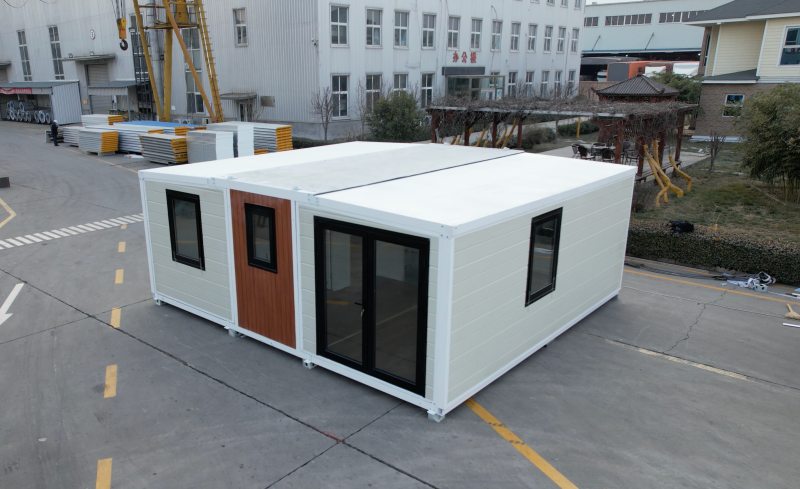
The total procurement cost for a housing unit should encompass all expenses incurred from the initial purchase at the factory to delivery and installation at the project site.You should itemize each expense and calculate the total budget based on actual price quotes.
Cost Item | Budget Basis | What to Confirm Before Ordering |
|---|---|---|
House Cost | Factory product quotation | Dimensions, materials, interior configuration, and customization options |
Packaging and Origin Charges | Factory and freight forwarder quotations | Whether packaging, loading, and inland transportation within China are included |
International Shipping | Destination port, loading plan, and shipping route | Shipping scope and quotation validity |
Shipping Insurance | Cargo value and insurance coverage | Whether insurance is included, coverage details, and deductibles |
Import Duties and Customs Clearance | Local regulations and customs broker quotation | Import duties, taxes, customs clearance fees, and documentation requirements |
Inland Transportation to the Project Site | Delivery address and transportation arrangements | Road conditions, transshipment requirements, and unloading arrangements |
Foundation and Installation | Site conditions and construction quotations | Foundation work, equipment, labor, and utility connections |
Other Expenses | Project-specific circumstances | Storage, port demurrage, or other unexpected charges |
You can estimate your overall budget using the following formula:
Total Procurement Cost=Unit Price+Transport&Logistics Costs+Import&Customs Clearance Fees+On-site Transport Costs+Installation&Site Preparation Costs+Other Applicable Expenses.
This formula is designed to help you organize your budget.When performing the actual calculation,be sure to verify the trade terms(Incoterms)for each quote to avoid double-counting expenses that are already included elsewhere.
Saving on procurement costs does not simply mean choosing the lowest price.You must consider product configuration,transport logistics,on-site construction,and long-term operational costs—ensuring that you do not sacrifice essential project requirements just to lower the initial quote.
Start by defining the primary purpose of the unit,then select the necessary features.Requirements for insulation,bathroom facilities,interior finishes,and utility connections will vary significantly depending on whether the unit is intended for use as a construction site office,temporary accommodation,a standalone guest room,or a rental unit for a campsite.If a project requires only basic office space,evaluate whether a full kitchen or high-end finishes are truly necessary.For projects intended for long-term occupancy,carefully consider insulation,waterproofing,ventilation,and the suitability of interior fixtures.Selecting the right configuration from the start makes it easier to manage your budget than opting for the lowest initial price only to incur additional costs for subsequent upgrades.
Request quotes for the exact same configuration from different suppliers,and cross-reference items such as materials,dimensions,doors and windows,insulation,interior fixtures,and commercial terms.A low initial quote may exclude essential features,leading to higher costs later when you have to add them.
Also,verify product quality standards,production lead times,inspection procedures,and after-sales support.Clear,detailed quotes and well-defined delivery responsibilities help minimize unexpected expenses during the procurement process.
Before production begins,confirm the dimensions(in a collapsed or compact state)and loading plans,then have a freight forwarder compare various shipping options.For projects involving multiple units,ask the factory and the freight forwarder if loading space can be optimized to reduce the per-unit shipping cost.
Avoid purchasing more units than you actually need simply to lower the shipping cost per unit.Excess inventory can tie up capital and lead to additional expenses for storage,maintenance,and handling.Bulk shipping only yields genuine economic benefits when the order quantity aligns with your project requirements.
Confirm the layout,placement of doors and windows,bathroom fixtures,number of electrical outlets,and interior finish requirements well in advance.Making changes after production has started can drive up costs for materials and labor,and cause delays.
For projects with multiple units,establish standardized product specifications early on.Standardization simplifies procurement management and facilitates future maintenance and the replacement of parts.
Before the units are shipped,verify site access(road conditions),unloading equipment,foundation readiness,and utility(water and electricity)connections.If the site is not prepared,the shipment may be left waiting,potentially incurring extra storage fees or delay-related charges.
Additionally,incorporate local permits,inspections,and compliance requirements into your project plan.Addressing these matters early helps mitigate the risk of needing last-minute adjustments once the units arrive on-site.
To obtain an accurate quote for a 20ft expandable container house,it is helpful to prepare some basic information.While you do not need to have a complete engineering design ready for your initial inquiry,providing clear details regarding the intended use,quantity,and destination will enable the supplier to offer a more precise and relevant quote.
Consider preparing the following information:
Quantity:Are you planning to purchase a single unit,or multiple units for a hotel,campsite,or other type of project?
Intended Use:Will it be used as a residence,office,guest accommodation,camping unit,or for another purpose?
Desired Configuration:Do you require a kitchen,bathroom,upgraded insulation,furniture,or other specific equipment?
Delivery Location:The destination country,city,port of arrival,and final delivery address.
Budget and Timeline:Your expected budget,desired delivery timeframe,and any specific regulatory or compliance requirements.
You may request a detailed product quote from the factory first,and then confirm shipping and destination-related costs separately.It is also advisable to ask the supplier to clearly outline the specifications,included items,and exclusions,ensuring you can accurately calculate the total cost.
WZHHouse can discuss product configurations and customization options tailored to your project requirements.Once you provide the quantity,intended use,delivery location,and basic configuration,you can proceed to finalize the product pricing and shipping arrangements.
How Much Does a 20ft Expandable Container House Cost?
The price of a 20ft expandable container house varies based on its structure,materials,interior configuration,and customization requirements.Prices displayed on a supplier’s website should be considered only as a preliminary reference;you should obtain a formal quote based on your specific requirements and verify whether it includes a kitchen,bathroom,electrical systems,and other equipment.
Does the Factory Price Include Shipping?
A factory quote does not necessarily include international shipping.You should clarify the trade terms(Incoterms)applicable to the quote and determine who is responsible for costs such as packaging,loading,inland transport within China,ocean freight,and destination port charges.A comprehensive breakdown of costs will help ensure you do not overlook any expenses.
What Additional Costs Should I Budget For?
You should account for potential additional costs,including international shipping,insurance,import duties and taxes,customs clearance,destination port handling,inland transportation,and on-site installation.Specifics vary based on destination regulations,trade terms,and site conditions;therefore,costs will differ from project to project.
Can I Order One Unit from China?
Whether a single-unit order is feasible depends on the manufacturer’s minimum order quantity(MOQ)requirements,product configuration,and shipping arrangements.Since a single-unit purchase cannot benefit from the cost-spreading advantages of bulk orders—such as lower per-unit shipping or procurement management costs—you should compare both the unit price and the total landed cost(the full cost of delivery).
How Can I Reduce the Total Purchasing Cost?
You can control costs by selecting the right configuration,comparing quotes for identical specifications,finalizing designs early,optimizing shipping logistics,and ensuring the installation site is properly prepared.Additionally,verify exactly what is included in each quote to avoid hidden costs or double-counting.
If you are planning to purchase a 20ft expandable container house from China,it is best to first define the intended use,quantity,interior configuration,and delivery location.Having these details allows you to break down the costs—covering the unit price,international shipping,and destination-related expenses—rather than relying solely on a base product price that does not reflect the total expenditure.
Contact WZHHouse to discuss your product specifications and procurement requirements.You can obtain a tailored quote based on your project plan,explore shipping options,and establish a clear,comprehensive budget for your purchase.



Copyright © Hebei Weizhengheng Modular House Technology Co., Ltd. All Rights Reserved
Sitemap






 +8615081877521
 +8615081877521