- icy@wzhgroup.com
- +86 15081877521


If you are looking into 20-foot slide-out container homes,the first question that naturally comes to mind is:exactly how much do they cost?
After checking quotes from a few online vendors,many people quickly notice significant price differences—some options seem very cheap,while others are considerably more expensive—which can be confusing at first.
Currently,the market price for a 20-foot slide-out container home typically ranges from$6,000 to over$15,000,depending on the configuration and interior fit-out.Basic models are cheaper,whereas fully equipped residential versions naturally command a higher price.
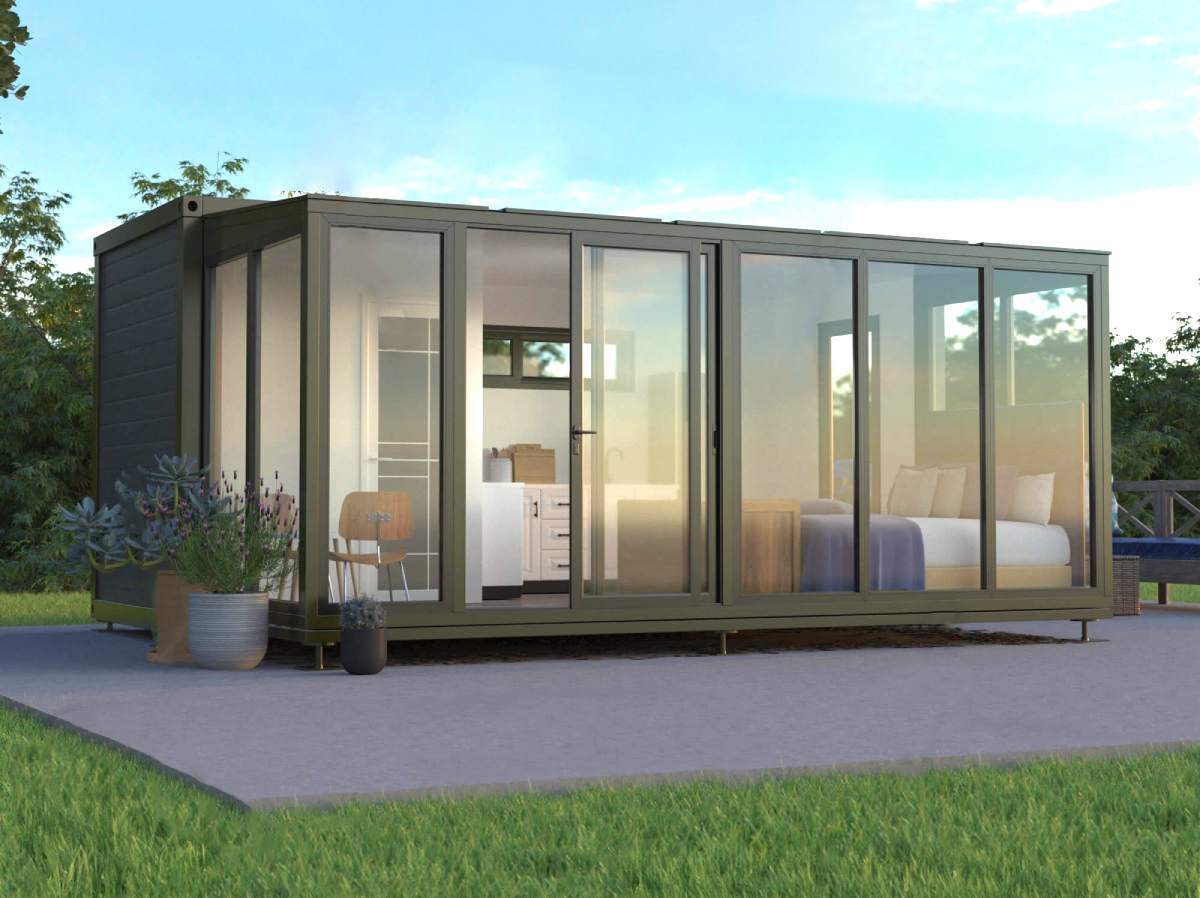
The price of a 20-foot slide-out container home is not fixed.Costs vary based on the intended use and customization;some units are designed for temporary use,while others are meant for long-term residential living.
Type | Price Range | Typical Use Case |
Basic Model | $6,000 – $8,000 | Temporary housing, construction sites |
Standard Model | $8,000 – $12,000 | Family living, rental property |
High-Spec Model | $12,000 – $15,000+ | Vacation home, custom project |
Basic models generally cost between$6,000 and$8,000.These feature simpler structures and are suitable for temporary accommodation,construction site use,or short-term projects with limited budgets.
Standard residential models are more common,typically priced between$8,000 and$12,000.These units offer comprehensive living amenities,making them suitable for family use,small-scale rentals,or vacation homes.
If you desire greater living comfort,you might opt for a high-spec version—featuring a full kitchen,bathroom,and premium interior finishes—which typically costs over$12,000,or even upwards of$15,000.
Although they are all 20-foot units,there are significant differences in internal configuration,which is the primary reason for the variation in price.Some products feature only a basic structure with simple insulation—suitable for short-term use—while others are designed to meet long-term residential standards,incorporating more comprehensive internal materials and systems,which naturally results in a higher price.
Insulation systems significantly impact the overall price and directly determine living comfort.Price differences become particularly pronounced in regions with extreme environmental conditions.
Basic EPS panels are suitable for temperate climates,whereas living in high-temperature regions calls for rock wool or PU panels—options that come at a higher cost.
Insulation Type | Cost Level | Suitable Climate |
EPS Panels | Low | Temperate regions |
Rock Wool | Medium | Areas with strict fire safety requirements |
PU Panels | High | Regions with extreme heat or cold |
Some entry-level 20-foot slide-out container homes lack fully equipped kitchens and bathrooms,providing only basic utility hookups that require additional on-site installation work.
In contrast,fully residential versions include all essential living systems—such as bathrooms,kitchens,and plumbing—allowing for immediate occupancy once the unit is installed on-site.
This is another factor contributing to price differences.
The choice of materials for doors and windows leads to significant price variations.
PVC windows are lower in cost,whereas aluminum alloy or double-glazed windows are better suited for long-term use,offering superior thermal insulation and soundproofing.
The same applies to electrical systems:basic versions offer only standard lighting and wiring,while residential-grade versions support a wider range of appliances and lifestyle needs.
Once a home is equipped with full living functionality,the price shifts to a different tier.Generally,the price for a fully equipped unit ranges from$9,000 to$15,000.
This is the version most customers ultimately choose,as it is ready for immediate use without the need for extensive on-site construction.
Configuration | Price |
Shell only | $6,000 – $8,000 |
With bathroom | $7,500 – $10,000 |
Kitchen + bathroom | $9,000 – $12,000 |
Complete unit | $12,000 – $15,000+ |
Shipping costs are often overlooked initially but represent a significant portion of the actual project budget—especially when purchasing from overseas,where shipping can account for a large share of the total expense.
Approximate shipping costs from China to various destinations are as follows:
Destination | Shipping Cost Range |
USA | $2,000 – $5,000 |
Australia | $1,500 – $4,000 |
Europe | $2,500 – $6,000 |
Canada | $2,000 – $5,000 |
Actual costs depend on factors such as the specific port,shipping season,and fuel prices.
The total landed cost for a 20ft slide-out container home typically ranges from$12,000 to$20,000,depending on the configuration level,shipping distance,and local construction costs.
While the factory quote may seem low,the final project cost must include shipping,foundation work,and installation fees;these elements often add several thousand dollars to the total.
A typical cost breakdown for a complete project looks like this:
Item | Cost |
Unit itself | $9,000 |
Ocean freight | $3,000 |
Foundation work | $1,500 |
Installation fee | $500 |
Utility connections | $2,000 |
Total cost | $16,000 |
Labor costs vary significantly by country and region,so the final price may fluctuate accordingly;however,the overall cost structure remains largely the same,with variations primarily occurring in the shipping and construction phases.
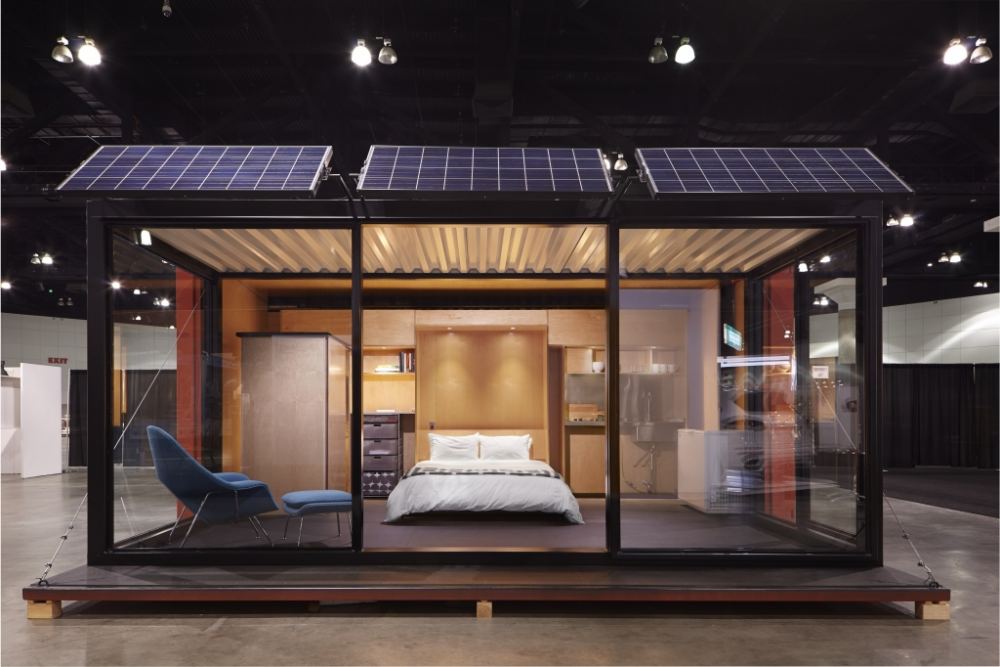
If your goal is to keep the budget for a 20-foot"slide-out"container home within a reasonable range,the key lies not just in finding a factory with a low quote,but in selecting the right configuration and plan from the very beginning.
Often,price differences stem not from the factory itself,but from initial design choices.
Standard layouts are typically designs that the factory has already perfected for mass production.They require no additional structural adjustments or repeated design revisions during manufacturing,resulting in more stable overall costs and making it easier to stay within budget.
Compared to fully custom solutions,standard layouts offer higher production efficiency and reduce hidden costs associated with communication and design,making them a safer choice for budget-constrained projects.
Cost increases often arise not from the materials themselves,but from complex design requirements driven by excessive customization.For instance,adding rooms to the original structure,altering the overall layout,or significantly upgrading interior fittings complicates both structural design and production,leading to higher processing costs and longer delivery times.
Therefore,when working with a limited budget,a more sensible approach is to make moderate optimizations to the standard structure rather than making drastic structural changes.
Decisions on insulation and internal systems should be based on the actual usage environment rather than a blind pursuit of top-tier specifications.In regions with mild climates,basic or mid-range insulation is usually sufficient for daily needs;upgrading to higher-grade materials is only necessary in cold or extreme climates.
For long-term residential use,you might reasonably upgrade comfort-related systems,but the core focus should remain on meeting actual needs rather than over-specifying.
Transportation costs are easily overlooked but can significantly impact the overall budget.Finalizing details such as the shipping method,container loading plan,and destination port before placing an order helps avoid the extra expenses associated with last-minute adjustments.
Sometimes,simply optimizing transportation arrangements can result in substantial savings on the total project budget.
Overall,the key to reducing the cost of a 20ft slide-out container house lies not in simply pressuring the factory to lower its quote,but in making sound decisions regarding the project plan from the very beginning.
Factors such as adopting standardized designs,avoiding unnecessary customization,aligning specifications with actual usage needs,and planning transportation in advance collectively determine whether the final total cost remains under control.
The clearer the initial plan,the fewer additional costs will arise during the execution phase,resulting in a more stable overall budget.
1.Is the 20ft slide-out container house ready for immediate occupancy?
Generally,yes,though it depends on the specific configuration.
Factories typically deliver a fully prefabricated structure,including walls,doors,windows,basic electrical pre-wiring,and flooring.
If you choose a high-end or fully equipped version,it is ready for use once utilities(water and electricity)are connected;however,with a basic version,the user may need to handle furniture,appliances,and on-site utility connections independently.
2.What is the delivery time for a 20ft slide-out container house?
Delivery typically takes 15–45 days,depending on the complexity of the configuration and the order volume.
Standardized models have shorter production cycles,whereas products with custom designs(such as expandable structures,interior upgrades,or specialized insulation systems)require more time.
For export orders,additional time for shipping and customs clearance must also be factored in.
3.Does the 20ft slide-out container house require a foundation?
Generally,some form of foundation support is required,though installation is very simple.
Common foundation types include concrete piers,concrete slabs,or steel support frames.
Because these houses are relatively lightweight,foundation requirements are far less demanding than those for traditional buildings;deep foundations or complex civil engineering works are unnecessary,though ensuring a level and stable base is essential.
The 20ft slide-out container house is not a product with a fixed price;its cost is largely determined by the configuration and actual usage requirements.Variations in insulation levels,interior systems,and functional features can lead to significant differences in the final price.
When you break down the individual components of the configuration,the pricing structure becomes clear rather than complicated,making it easier to assess the true differences between quotes from various suppliers.When making a selection,the cheapest option is not necessarily the most suitable—especially for long-term residential or commercial projects.A well-balanced configuration is often more important than simply minimizing the price.
Based on WZHHouse’s practical project experience,while many clients initially focus heavily on price,the choices made during the design phase are what truly determine the overall user experience and long-term costs.Getting the design right is more critical than merely comparing prices.
If you are currently evaluating the budget or configuration for a 20-foot slide-out container house,please contact WZHHouse directly for factory-direct pricing and configuration advice.We can help match the right structural and cost solutions to your specific use case—whether for a residence,vacation home,or commercial project—ensuring a clear budget and a smoother implementation process.



Copyright © Hebei Weizhengheng Modular House Technology Co., Ltd. All Rights Reserved
Sitemap

 +8615081877521
 +8615081877521